March 2, 2026
Dubai War, Why it is happening?
tanishka-ratn
Dubai’s Traditional Role in the World
Known globally as a safe, business-friendly, and high-growth economic hub, Dubai - part of the United Arab Emirates (UAE) - has long relied on tourism, international business, tax-free incentives, and global connectivity.
However, the recent escalation of regional conflict has sharply altered that image, placing the city in an unexpected geopolitical spotlight.
Why Dubai Is Now Involved
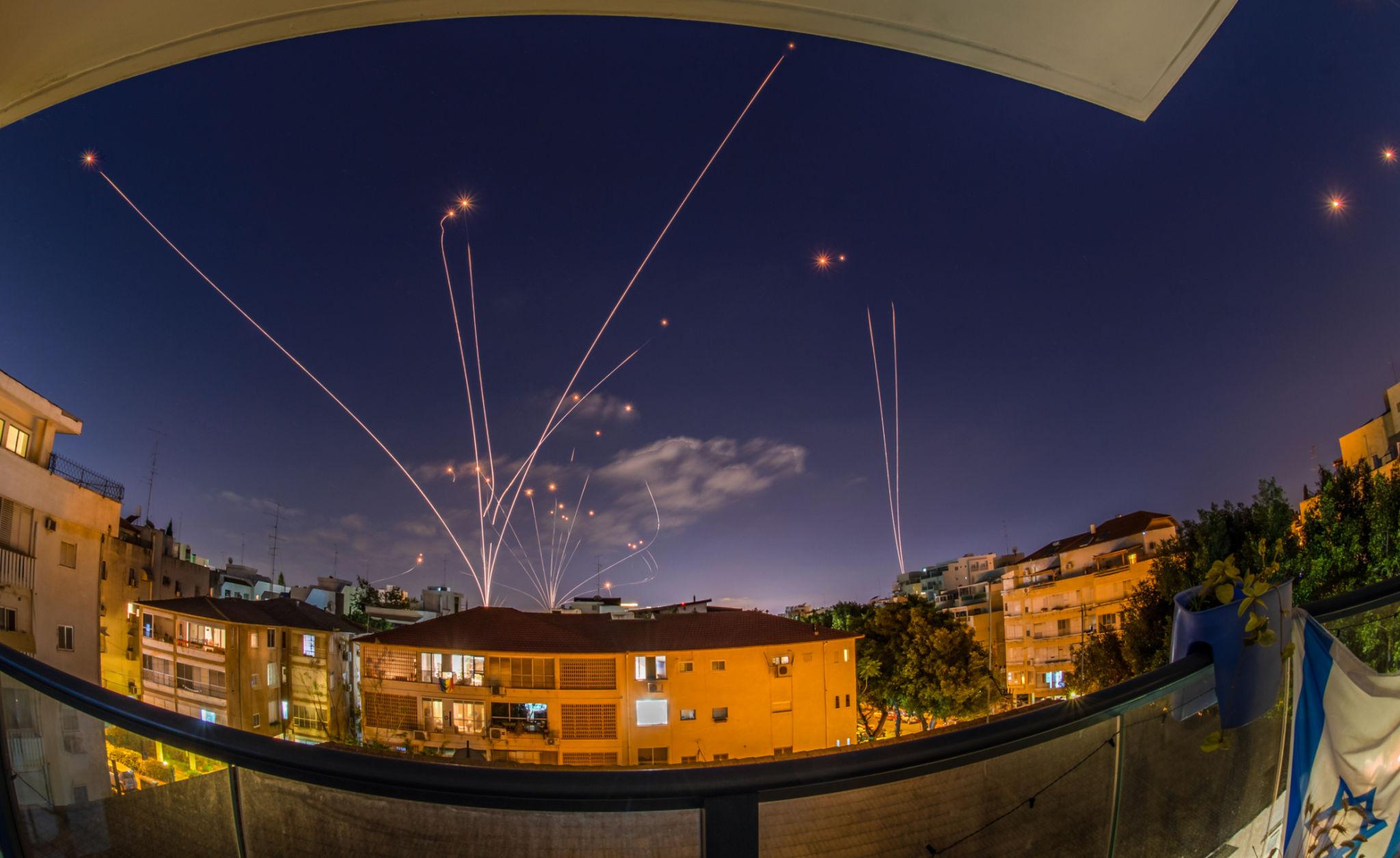
The latest flare-up involves Iran launching retaliatory drone and missile strikes at strategic locations throughout the Gulf, including Dubai and other UAE cities. These strikes have:
- Hit or threatened civilian and commercial zones
- Forced closures of international airports and airspace
- Reasserted fears of instability in the region’s economic heartland
Major Effects on Dubai
1. Social and Economic Impact
The attack on Dubai’s skyline and key landmarks has shaken public confidence. Many expatriates and tourists find the sudden violence unsettling in a city long seen as stable.
2. Financial Market Disruption
The UAE’s stock exchanges - Dubai Financial Market and Abu Dhabi Securities Exchange - were temporarily closed in response to rising instability.
3. Safety Measures
Government warnings, emergency alerts, and school closures reflect how seriously authorities are taking the situation.
Dubai’s Response and Future Outlook
UAE leadership has publicly condemned attacks, bolstered air defenses, and coordinated with regional and Western partners to protect cities and infrastructure. While Dubai remains resilient, the conflict has highlighted how even neutral economic centers can be drawn into broader geopolitical tensions.