March 2, 2026
Iran and Dubai War - Iran's Role in the Current Middle Eastern Crisis, What's Happening?
tanishka-ratn
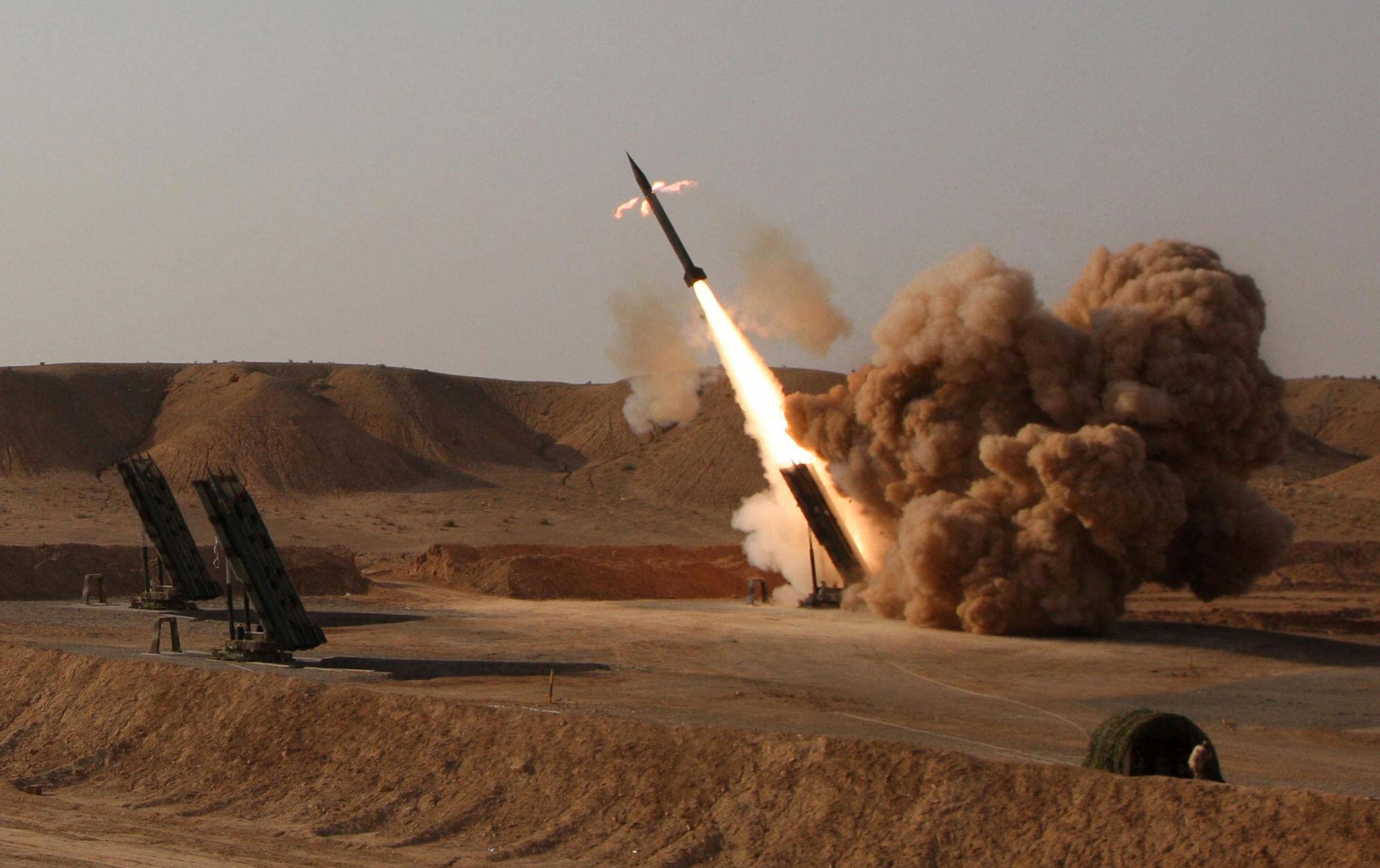
The Islamic Republic of Iran has become one of the central figures in the widening conflict in the Middle East. This situation has evolved from long-standing regional tensions into a more confrontational one involving major military powers and technological warfare.
What Triggered the Escalation?
Recent military action by the United States and Israel against Iran, including strikes on Iranian targets, set off a severe chain reaction. Iran has responded with rapid missile, drone, and strategic attacks targeting not only military assets but also key infrastructure in Gulf countries hosting U.S. forces.
Iran’s Objectives and Strategy
Iran officially states its military actions are in retaliation for attacks it considers aggressive and unlawful. Its strategy in this escalation includes:
- Targeting airports and transport hubs in Gulf states like Dubai and Abu Dhabi.
- Pressuring neighboring governments to distance themselves from U.S. military alliances.
- Demonstrating deterrence to foreign military presence in the Gulf.
This marks a major shift from Iran’s previous strategy of using regional proxy groups- like Hezbollah in Lebanon - to project influence. Instead, Iran is now deploying weapons directly and aiming at global infrastructure.
Impacts and International Risks
– Global airline chaos: Major airports have closed temporarily due to missile and drone threats, affecting international travel routes.
– Oil supply and prices: Blocking or threatening key shipping lanes such as the Strait of Hormuz has caused major oil market disruptions.
– Widening political divides: Countries in the region are now forced into complex alliances - some backing U.S./Israel, others cautioning neutrality.
What Comes Next?
The nature of this conflict suggests it could either de-escalate through diplomacy, or further spread into:
- Wider involvement from world powers like China or Russia
- More cross-border tensions across the Middle East
- Economic strain on oil-dependent states
*This write-up is subject to fact check.