March 2, 2026
The Afghanistan–Pakistan War: A New Frontline in South Asia
tanishka-ratn
How the Conflict Started
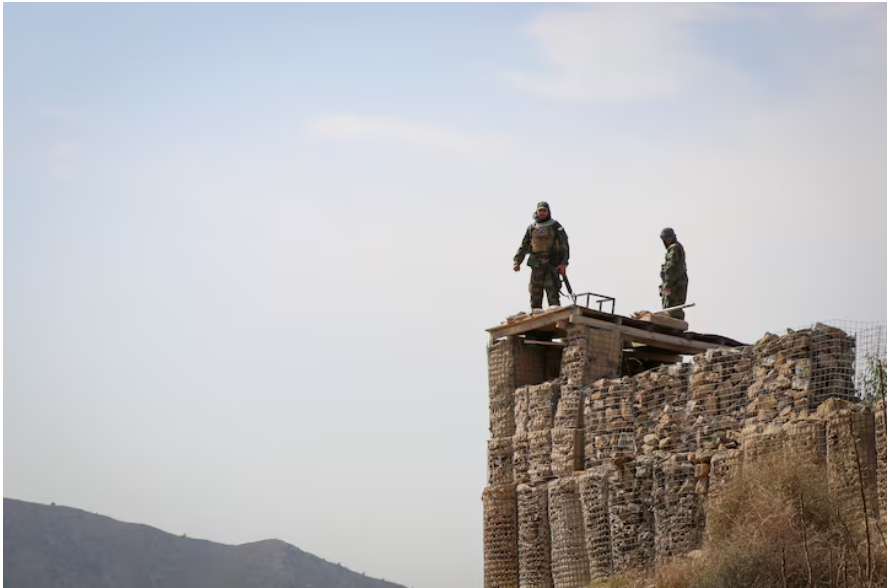
In early 2026, long-tensioned relations between Afghanistan and Pakistan erupted into an open military conflict. Afghan forces and the Pakistani military began exchanging heavy strikes after years of friction over militant groups operating along their border - particularly the Tehreek-e-Taliban Pakistan (TTP) and Islamic State affiliates.
Pakistan claims that Taliban-led Afghanistan harbors and supports militants responsible for attacks inside Pakistan. Afghanistan denies this, leading both sides to launch military operations.
What the Fighting Involves
– Airstrikes and border clashes across provinces like Nangarhar and Paktika.
– “Open war” declarations by Pakistan’s leadership after repeated exchanges.
– Civilian casualties, displacement, and infrastructure damage affecting border communities.
Why This Matters
The Afghanistan–Pakistan conflict is more than a regional dispute - it highlights:
- Fragmented security in South Asia
- The limits of negotiated peace mechanisms
- The potential for proxy confrontations involving other nations or groups
Global leaders, including Qatar and Saudi Arabia, have called for de-escalation and mediation to prevent the conflict from widening further.
Human Impact
Despite media focus often on political maneuvering, the human cost is significant:
- Displaced families fleeing border zones
- Civilian infrastructure caught in the crossfire
- Heightened fear of extremism spillover due to power vacuums
The Road Ahead
The conflict shows little sign of immediate resolution. But regional stability efforts - diplomatic talks, third-party mediation, and international attention - could influence the future.